A Winter Afternoon Around a Village Hall
Plan a winter afternoon around a village hall with one easy shared activity, warm drinks, and simple room arrangements that make hosting easier.
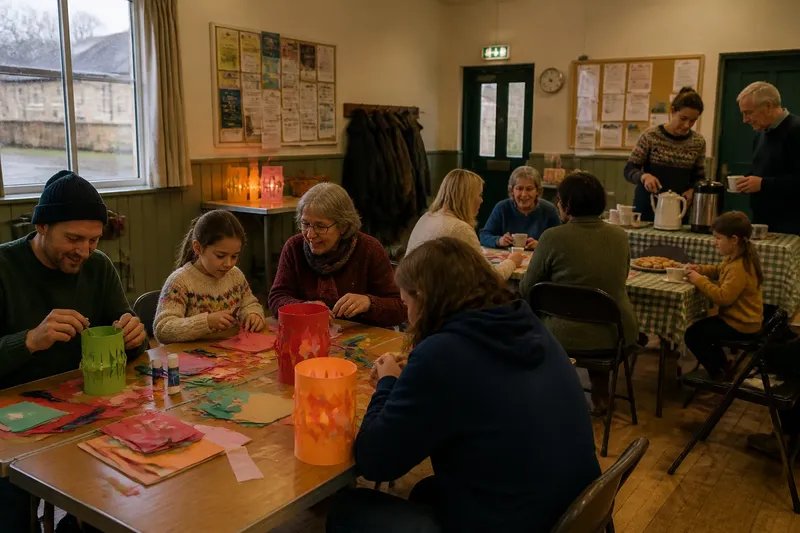
What should you plan for a winter afternoon around a village hall so the room feels cared for without turning the gathering into a production? Start with one activity, a modest refreshment table, and clear arrangements for using and resetting the hall. Imagine a damp Saturday in a fictional village, with a caretaker-approved room, folding tables, a kettle, and a stove that must be operated according to the hall’s rules.
Hall arrangements
In this imagined situation, Mara offers to host after neighbors mention that winter feels long. Before sending an invitation, she asks the caretaker which room is available, how heating and kitchen access work, where supplies are kept, and what cleanup is expected. That conversation shapes the plan: she knows what can be used and what must be left untouched.
She shares a simple invitation through local noticeboards and conversations: paper lantern-making, tea, and a relaxed afternoon in the hall. She gives the start and finish window, notes any access details the caretaker confirms, and says guests need not bring anything. A clear plan helps people decide whether the gathering fits their day without promising a formal program.
Before people arrive, Mara checks that the route through the room is clear and that the hall’s usual notices remain visible. She puts the craft materials on one table, refreshments on another, and chairs where people can sit while talking or working. These arrangements serve the room’s practical use, not a special arrival ritual.
One simple craft
Mara chooses paper lanterns made with colored card, tissue paper, and glue sticks. She sets out blunt-tip scissors, scrap paper, and a finished sample, keeping the materials suitable for the group she has invited. The activity has no required sequence or perfect result, so each person can make a small piece or leave the table to chat.
Her introduction is brief: choose a color, fold or cut it, and ask for help if you want it. Nobody has to finish a lantern, and there is no prize for the neatest work. A guest can help a child, talk while cutting, or simply look at the sample before deciding what to do.
Say an invented guest, Len, arrives after walking his dog and sees several lanterns in progress. He hangs his wet coat in the space Mara has set aside, asks for green card, and joins the table without needing to catch up on a sequence of instructions. The observable result is a partly decorated lantern; the tradeoff is that an open-ended craft may leave extra scraps for cleanup.
Room for conversation
As the craft takes shape, conversation wanders from a muddy lane to jars for seedlings. These are simply subjects that happen to come up, not an agenda Mara has prepared. The hall gives neighbors a place to talk indoors while the weather keeps them from lingering outside.
Not everyone needs a task. One person reads the noticeboard, a child colors scraps, and two friends drink tea. Mara avoids adding a quiz or another craft just to fill the afternoon; extra activities would mean more materials, instructions, and cleanup without necessarily making the gathering better.
For refreshments, she puts out tea, coffee, water, cups, napkins, and a plate of biscuits. She checks that the kettle and serving area are appropriate under the hall’s rules, and asks a neighbor to help keep an eye on the drinks. Guests are welcome to bring something, but the invitation makes clear that it is optional.
Useful decisions
Before opening the hall, Mara checks a short set of practical details. Each observation points to a decision, so she can adjust the plan rather than treating preparation as a vague list of chores.
- Room access: Check the caretaker’s booking and permitted hours. If the room is available for the planned window, keep the invitation as written; if not, ask about another time before inviting people.
- Heating and appliances: Confirm which controls and kitchen equipment guests may use. If the caretaker approves the kettle and stove arrangements, follow those instructions; if not, omit the stove and serve only what the hall permits.
- Clear routes: Look for a usable path between the entrance, tables, and chairs. If the route is clear, leave the layout in place; if bags or furniture block it, move them before setting out materials.
- Craft supplies: Check that the card, glue, and scissors suit the invited group. If the materials are appropriate, put them on the activity table; if not, replace them with a simpler option or leave that material out.
- Refreshments: Check that drinking water, cups, and serving items are available. If they are, set them out with the hot drinks; if they are not, arrange an allowed alternative before telling guests refreshments will be served.
- Cleanup expectations: Ask what must be wiped, put away, or returned to its usual place. If the reset is clear, assign a helper to those tasks; if anything remains uncertain, ask the caretaker before the gathering begins.
What is not worth the effort? Elaborate decorations, a packed timetable, or a craft with so many stages that one person must demonstrate every move. Those additions can create more setup and cleanup than the afternoon needs.
Winter hall questions?
How long should a village hall gathering last?
Choose a time window that fits the booking and local routines, then state it plainly in the invitation. Keep the activity simple enough to begin and finish without a timed group session.
What activity works for mixed ages?
Choose something with easy entry points, such as paper crafts, a puzzle table, or looking through old village photographs if permission is in place. Check the materials and room setup against the group’s needs and the caretaker’s guidance.
How should refreshments be arranged?
Make water, cups, and any permitted hot drinks easy to identify, and keep the serving area separate from craft supplies. If the hall has rules about appliances or food, follow them and adjust the menu accordingly.
What if only a few people attend?
Use one table and scale the craft materials to the group rather than adding activities to make the room look busier. A smaller gathering still works if the hall is set up for the number of people present.
A clear room reset
Imagine Mara’s fictional afternoon has ended with Len taking home his lantern and two neighbors helping to gather scraps. They wipe the tables, return chairs and supplies as the caretaker requested, and check the room before locking up. The observable result is a hall restored for its next booking, with no extra event equipment left behind.
For a winter afternoon around a village hall, write down the caretaker’s reset instructions before the gathering begins and give each helper a specific task. That small bit of coordination makes the final few minutes easier and leaves the room ready for whatever the village has planned next.